
Best Tips: 5 Blender Parts You Should Replace Instead of Buying a New Blender
Introduction
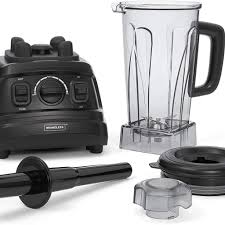
A lot of people throw away perfectly repairable blenders because they assume the appliance is completely broken. In reality, most blender problems are caused by small parts that wear down over time from normal use. Replacing one inexpensive component is often enough to make the blender work like new again.
Modern blenders go through a lot every day. Ice, frozen fruit, thick smoothie mixtures, nuts, and constant use all put stress on the internal parts. Over time, certain components naturally wear out and need replacement. The good news is that many blender repairs are simple enough for beginners and can save a significant amount of money.
Before spending money on a brand-new appliance, it is worth checking whether one of these common blender parts is actually the real problem.
1. Blender Clutch or Coupling
One of the most commonly replaced blender parts is the clutch, sometimes called the coupling. This small piece connects the blender motor to the blade assembly and transfers the spinning motion from the motor to the blades.
When the clutch wears out, the motor may still run normally while the blades stop spinning completely. Many people think the motor has failed when the actual issue is just this small replaceable part.
Clutches are designed to wear down over time. Manufacturers often use materials that fail before the motor itself because replacing a clutch is far cheaper than replacing the entire appliance.
Signs of a worn blender clutch include:
- Blades not spinning
- Burning rubber smell
- Grinding sounds
- Visible cracks or smooth grooves
Replacing a blender clutch is usually quick and inexpensive. Most repairs take less than ten minutes and require only basic tools. For people who use their blender daily, keeping a spare clutch at home is often a smart idea.
A replacement blender clutch can instantly restore performance without needing to buy a completely new machine.
2. Blade Assembly
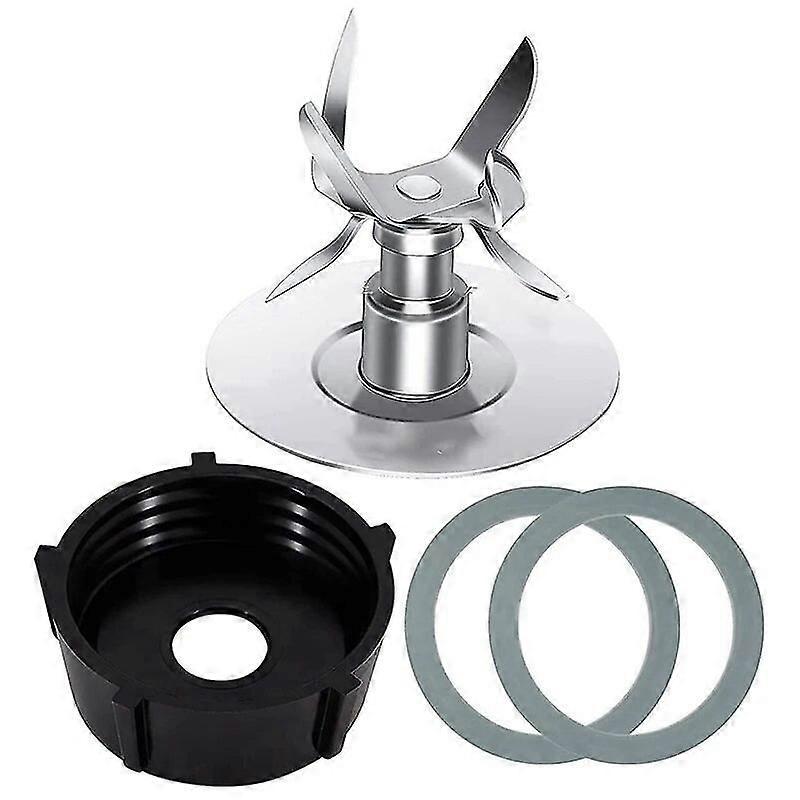
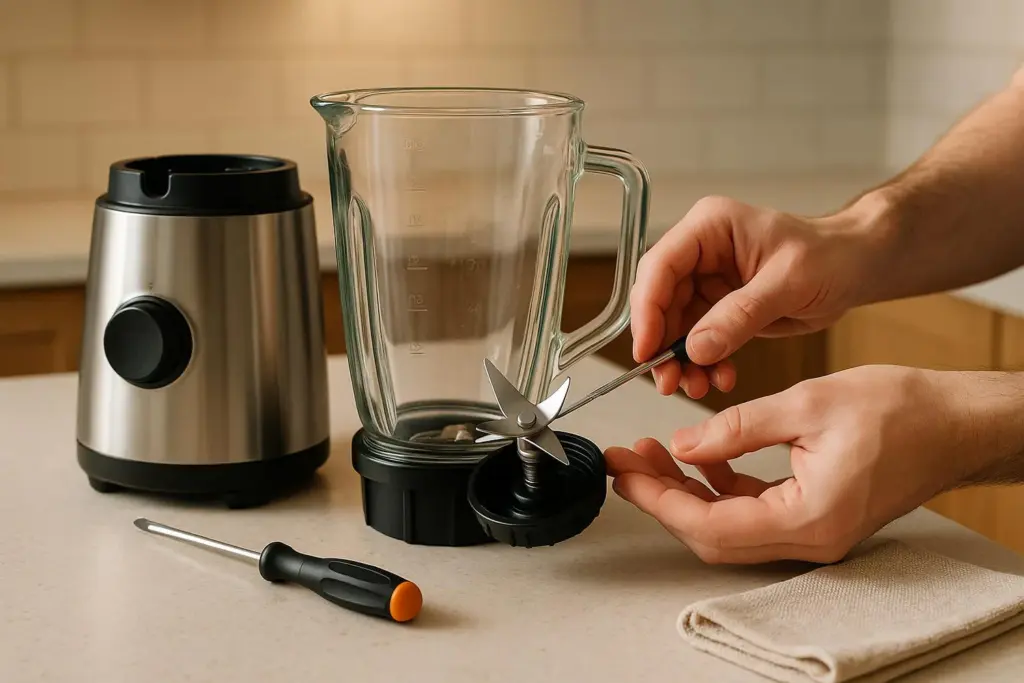
The blade assembly is another part that experiences heavy wear over time. Since the blades constantly handle tough ingredients, they eventually become dull, loose, or damaged.
A worn blade assembly affects blending performance immediately. Smoothies become chunky, ingredients stop mixing evenly, and blending takes longer than usual. Some people notice leaking underneath the jar because the blade seals have worn down as well.
In certain cases, the blades may become difficult to spin manually due to food buildup or damaged bearings inside the assembly.
Common signs of blade assembly problems include:
- Leaking from the bottom of the jar
- Loud grinding noises
- Uneven blending
- Rust around the blade area
- Blades that feel loose or stuck
Replacing the blade assembly is often much cheaper than replacing the blender itself. Many replacement assemblies come preassembled, making installation simple even for beginners.
Keeping the blades sharp and functioning correctly also reduces strain on the motor. When dull blades struggle to process ingredients, the motor has to work harder, which can shorten the appliance lifespan over time.
A new blade assembly can make an older blender feel surprisingly powerful again.
3. Blender Jar Seals and Gaskets
Leaks are one of the most annoying blender problems, but they are often caused by something very small. Rubber seals and gaskets wear down naturally with age and repeated cleaning.
These seals are designed to prevent liquids from escaping around the blade assembly and jar connection. Over time, constant exposure to heat, soap, pressure, and acidic ingredients can cause the rubber to dry out or crack.
Many people continue using leaking blenders without realizing that moisture can eventually damage the motor underneath. Replacing the gasket early can prevent much larger problems later.
Signs that your blender gasket may need replacement include:
- Liquid leaking from the bottom
- Loose jar connection
- Cracked or hardened rubber
- Water collecting around the blender base
Fortunately, replacement seals are inexpensive and very easy to install. Most simply fit into place without needing tools.
Cleaning habits also affect gasket lifespan. Using extremely hot water repeatedly or placing certain blender parts in the dishwasher too often may cause rubber components to wear out faster.
A fresh seal can completely eliminate leaking problems and help extend the overall life of the blender.
4. Blender Drive Socket
The drive socket is another small component that plays an important role in blender performance. It sits on the motor base and helps rotate the blade assembly during operation.
Because it handles constant friction, the drive socket gradually wears down over time. Some drive sockets become smooth or stripped, which prevents the blades from spinning properly.
Many people confuse drive socket problems with motor failure because the symptoms are similar. The blender may still make noise while struggling to blend ingredients effectively.
Common signs of a damaged drive socket include:
- Slipping during blending
- Blades spinning inconsistently
- Unusual clicking sounds
- Difficulty processing thicker ingredients
Replacing the drive socket is usually straightforward and far cheaper than replacing the appliance.
Some blender owners are surprised by how dramatically performance improves after replacing this one small part. In many cases, the motor itself still works perfectly fine.
Regularly checking the drive socket for signs of wear can help prevent bigger mechanical issues later on.
5. Blender Motor Brushes
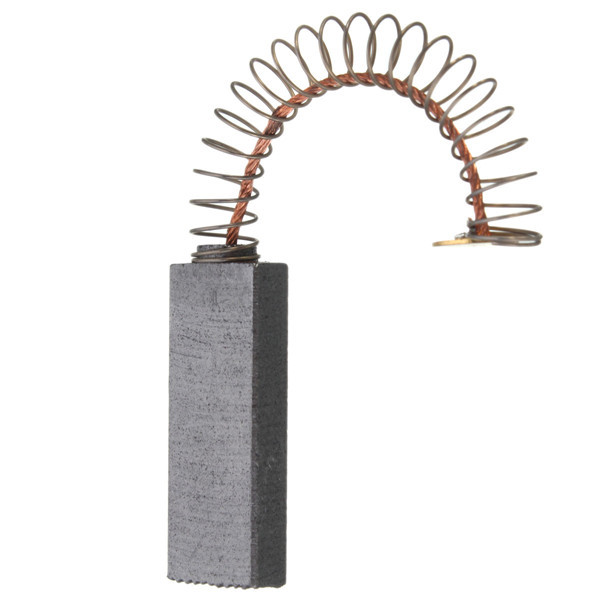
Motor brushes are not discussed as often as clutches or blades, but they are another replaceable component in many blender models. These small carbon pieces conduct electricity inside the motor and naturally wear down with use.
As motor brushes wear out, the blender may begin losing power or functioning inconsistently. Some people notice sparks, unusual smells, or sudden shutdowns during operation.
Motor brush problems are more common in older or heavily used blenders. Commercial or high-use kitchen environments tend to wear these parts down faster.
Symptoms of worn motor brushes include:
- Weak motor performance
- Intermittent power
- Burning smell
- Excessive sparking
- Blender shutting off unexpectedly
Replacing motor brushes is more advanced than changing a clutch or gasket, but it is still far cheaper than replacing a premium blender.
For people comfortable with basic appliance repairs, replacing motor brushes can significantly extend the life of an otherwise functional blender.
Why Repairing a Blender Makes More Sense Financially
A lot of people replace blenders far too quickly because they assume repairs are difficult or expensive. In reality, many blender problems can be solved with affordable replacement parts that cost only a small fraction of a new appliance.
Premium blenders can be expensive, especially high-powered models designed for smoothies, soups, and frozen drinks. Throwing away a quality appliance because of one worn-out component often wastes money unnecessarily.
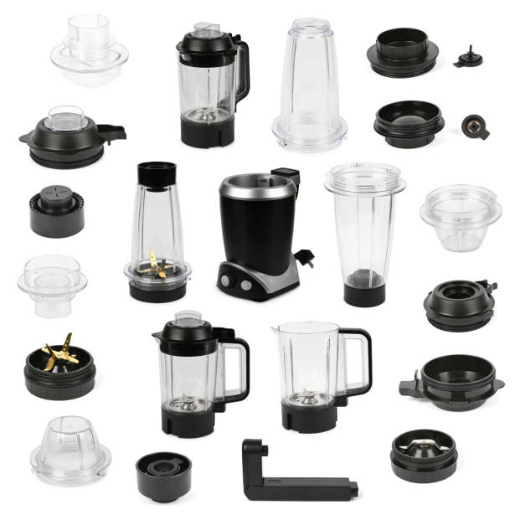
Replacement parts are also widely available online now. Customers can easily find compatible blender clutches, blade assemblies, seals, and drive sockets without needing professional repair shops.
Simple repairs also help avoid unnecessary electronic waste. Millions of small appliances are discarded every year even though many could still function properly with minor repairs.
Repairing instead of replacing is not only more affordable, but also more environmentally responsible.
How to Know When Repair Is Worth It
Not every blender is worth repairing, but many are. The key is determining whether the motor itself is still functioning correctly.
If the blender powers on normally and the motor sounds healthy, the issue is often mechanical rather than electrical. In these cases, replacing small parts usually makes sense.
However, if the motor is completely burned out or there is severe electrical damage, replacement may be the better option.
A good rule is to compare the cost of replacement parts with the value of the blender itself. If the repair costs significantly less than buying a new appliance, repairing is usually the smarter choice.
High-quality blender brands are especially worth repairing because the motors are often designed to last for many years.
Common Habits That Damage Blender Parts Faster
Understanding what causes blender parts to wear out can help prevent future problems.
One major issue is overloading the blender jar. Thick mixtures and large frozen ingredients place extra stress on the clutch, blades, and motor.
Running the blender continuously for long periods also increases heat buildup inside the appliance. Short blending cycles are generally better for motor longevity.
Another common mistake is blending without enough liquid. Dry or thick ingredients create extra resistance that forces the motor to work harder.
Poor cleaning habits also contribute to wear. Food residue trapped around the blade assembly can gradually affect movement and create additional strain.
Simple maintenance and careful usage can significantly extend the lifespan of replacement parts.
The Rise of DIY Appliance Repair
More people are choosing DIY appliance repair today than ever before. Rising appliance prices and growing environmental awareness have encouraged consumers to repair instead of replace.
Online tutorials and repair videos have made blender maintenance much more approachable for beginners. Many customers discover that replacing parts is far simpler than they expected.
DIY repairs also provide a sense of independence. Instead of relying on expensive repair services or immediately replacing appliances, people can solve many issues themselves with basic tools.
Blenders are one of the easiest kitchen appliances to repair because most parts are easily accessible and relatively inexpensive.
For many households, replacing a few blender parts every couple of years makes far more financial sense than buying new appliances repeatedly.
Conclusion
Blenders experience a lot of wear over time, especially when used frequently for smoothies, soups, frozen drinks, and meal preparation. Fortunately, many of the most common blender problems are caused by small replaceable parts rather than complete appliance failure.
Replacing components like the clutch, blade assembly, gasket, drive socket, or motor brushes can often restore a blender back to full performance at a much lower cost than buying a new machine.
Simple repairs not only save money, but also reduce waste and extend the life of appliances that still have years of use left in them.
Before replacing a blender that no longer works properly, it is always worth checking whether one small replacement part might be all it needs.
FAQs
What is the most commonly replaced blender part?
The blender clutch or coupling is one of the most commonly replaced parts because it wears down naturally over time.
Why is my blender leaking from the bottom?
This is usually caused by a worn gasket or damaged blade assembly seal.
Can replacing blender parts really save money?
Yes. Most replacement parts cost far less than buying a completely new blender.
How long do blender parts typically last?
It depends on usage, but heavy daily blending can wear parts down faster over time.
Is it difficult to replace blender parts yourself?
Most basic blender repairs are beginner-friendly and require only simple tools.
Are blender replacement parts universal?
No. It is important to match replacement parts to your blender model.
When should I replace my blender instead of repairing it?
If the motor is completely burned out or the repair cost is very high, replacement may make more sense.
Can blender repairs help the environment?
Yes. Repairing appliances reduces electronic waste and extends product lifespan.